

Sound familiar?
Maybe you don't want to quit drinking. You're just tired of what comes with it.
You're not in trouble and you don't need a dramatic story. You're just done with the tax that drinking quietly charges you.
The Sunday Scaries
That low hum of dread and regret that shows up before the week even starts.
Wasted mornings
The alarm goes off and the first hour is spent recovering instead of living.
Hangovers wrecking your workouts
You train hard, then one night out erases three days of momentum.
Drinking more than you planned
"Just one" quietly becomes four, most nights, without a real decision.
Alcohol calories killing progress
The diet is dialed in — except for the liquid calories nobody talks about.
"I’m taking it easy tonight"
You mean it when you say it. Then somehow the bottle is empty anyway.
It’s taking up too much space
When to drink, how much, how you’ll feel tomorrow — it lives in your head rent-free.
You don't need a rock-bottom story to want more control.
60-second private assessment · no commitment
The curiosity everyone has
Why are people comparing this to GLP-1s?
GLP-1s got famous for one thing: turning down the noise. Naltrexone does something similar for a different craving.
GLP-1s
for food
Became famous for turning down appetite and food noise — the constant thinking about the next snack.
Naltrexone
for alcohol
Prescribed to turn down the rewarding pull and craving around alcohol — the 6 o’clock urge to pour.
Different medication. Similar idea: turn the volume down on the urge.
- 1
Alcohol lights up reward
Every drink triggers the brain’s reward pathways — the hit that makes the next pour feel like a good idea.
- 2
Naltrexone blocks the receptors
It sits on the opioid receptors involved in that reward, so the drink doesn’t land the same way.
- 3
The pull gets quieter
For many people, drinking becomes less compelling — and stopping at one, or stopping entirely, gets easier.
What you actually get
Less drinking. More life.
These aren't promises the pill makes on its own — they're what tends to open up when alcohol stops running the schedule.
- Better mornings
- Better workouts
- Fewer wasted weekends
- Fewer alcohol calories
- Better sleep
- More control
- Still going out socially
Your goal, your call
You choose the goal.
No labels. No judgment. Whether you want to ease off or stop completely, Onir is built around the outcome you actually want.
“I still want to go out. I just don’t want every night to turn into a big night.”
“I’m ready to stop and want medical support to make it stick.”
How Onir works
Four steps, sixty seconds to start.
No waiting rooms, no video calls, no meetings. The whole thing is written, private, and built to be easy.
- 1
Take the 60-second assessment
A few private written questions. No video calls, no meetings, nothing to announce.
- 2
A licensed physician reviews it
A real U.S. doctor looks at your answers and screens for safety.
- 3
If appropriate, you’re approved
When it’s a fit, your prescription is written — refunded if it isn’t.
- 4
Onir ships to your door
Plain, unmarked packaging. One small daily pill, delivered discreetly.

60-second private assessment · no commitment
Member stories
Real people. Quietly drinking less.
No before-and-after drama. Just members describing what changed once the pull got quieter.
“I kept waiting to feel deprived and it never came. Week three I looked at the fridge at 9pm and just… didn’t want it. Wild feeling.”
Karen M., 34
Verified member
“I never wanted to fully quit. Two beers had crept up to five or six a night. Now I have one on a Saturday and it actually stops there.”
David R., 41
Verified member
“First Saturday in years I woke up early with a clear head. Got a real workout in. That alone sold me.”
Sam L., 29
Verified member
“The biggest change is mental. I’m not negotiating with myself every evening anymore. Alcohol just takes up way less room in my head.”
Jordan T., 38
Verified member
Individual results vary. Testimonials reflect individual experiences.
Pricing
Your clinician review
Refunded in full if a physician doesn't approve you, and your medication price is shown up front before you ever pay for it.
- A licensed U.S. physician reviews your assessment — no video calls
- A personalized plan built around your goal: cut back or stop entirely
- Your medication price shown up front before you ever pay for it
- No commitment today — you decide once you're approved
Refunded if you're not approved · cancel anytime
- FDA-approved 30+ years
- Licensed U.S. physicians
- No meetings, no video calls
- Ships in plain packaging
- Cut back or quit — your call
- Cancel anytime
Questions, answered
The things everyone asks
What is naltrexone?
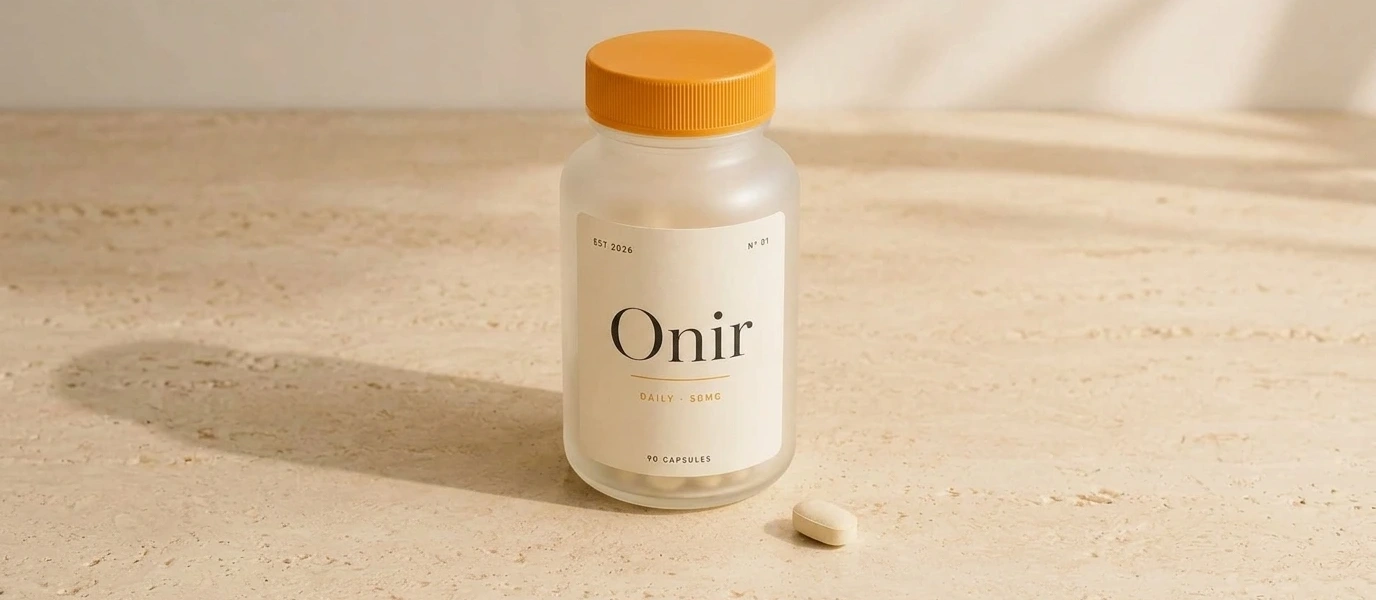
A doctor-prescribed medication that’s been FDA-approved for over 30 years and is used to help people drink less or stop. It’s a daily pill, not a GLP-1 and not a sedative.
Why do people call it "GLP-1 for drinking"?
Different medication, similar idea. GLP-1s became famous for turning down food and appetite noise. Naltrexone is prescribed to turn down the rewarding pull around alcohol. Both quiet the urge — just for different cravings.
Do I have to quit drinking?
No. Plenty of people use it to cut back to a couple of nights a week and stay there. Your goal is your call — drink less or stop entirely.
Can I still go out and drink?
Yes. The first drink still tastes like it always did. It just stops setting off the automatic pull for a second and a third, so the night stays where you want it.
How does it reduce cravings?
Alcohol activates reward pathways in the brain. Naltrexone blocks the opioid receptors involved in that reward, so drinking becomes less chemically reinforcing — and the urge for the next one gets quieter.
How quickly might I notice a difference?
Many people notice the second drink calling less loudly within the first week or two. It’s usually subtle — less of a pull rather than a dramatic switch flipping.
What are the side effects?
Most are mild and fade: nausea, headache, tiredness or trouble sleeping early on. The physician reviews your history and dosing to keep things comfortable.
Who should not take it?
It isn’t appropriate if you’re physically dependent and at risk of severe withdrawal, have significant liver disease, take opioid medications, or are pregnant. The assessment screens for all of this first.
How much does it cost?
You start with a $19.99 clinician review — less than a coffee a day. If a physician approves you, your plan covers the medication, ongoing physician support and discreet shipping, all in. No long-term contract, cancel anytime.
Can I cancel?
Anytime. There’s no long-term contract and no penalty for stopping.